The Daily Feed
Market notes, sourcing insights, and practical know-how from the NTLS Feed & Grain team. We move DDG, sunflower meal, corn, chickpeas, and other feed ingredients across the Midwest and Mountain West every day, and this is where we share what we're seeing: price trends, supply shifts, freight conditions, and tips to help feedlots, ranchers, and manufacturers buy smarter.
Reach Us Directly
Give us a call, send us a text, or an email — we're easy to get ahold of and quick to respond.
701-809-9058
Corn Screenings: Economical Cattle Ration Solution
Livestock Nutrition, Corn Screenings, Cattle Rations
Corn Screenings: Cut Ration Costs Without Giving Up Energy
Every extra dollar you spend on corn has to be earned back at the bunk. When grain markets climb, even a well‑designed feeding program can start to feel like it is working against your bottom line. Many cattle producers are looking for ways to achieve feed cost savings without sacrificing performance or energy efficiency in the ration. One option that often flies under the radar is the use of Corn Screenings. When managed correctly, they can be a valuable, economical ingredient in Cattle Rations while still supporting strong gains and good condition. This article explains what corn screenings are, when they make the most sense to use, and how partnering with NTLS Feed & Grain can save you time and money by simplifying how you buy, receive, and feed screenings.
What Are Corn Screenings?
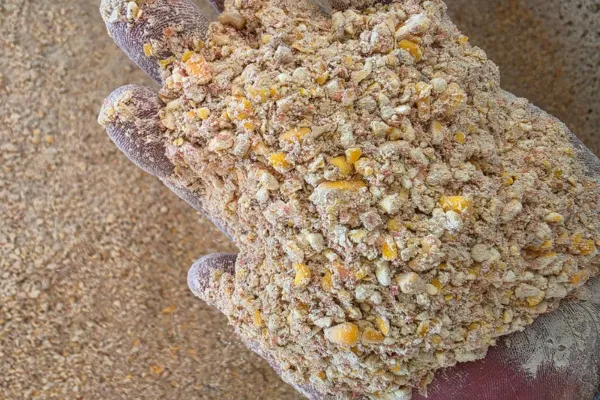
Corn screenings are the by‑products removed when corn is cleaned and processed. When grain is delivered to an elevator, feed mill, or ethanol plant, it typically passes over screens and through cleaning equipment. This process separates out:
Broken kernels and small pieces of corn
Fines and dust that fall through the screens
Foreign material such as cobs, husks, weed seeds, and occasionally small stones or plant stems
All of this material together is sold as Corn Screenings. The exact makeup can vary a lot from one source to another. Some loads may be mostly broken corn and fines, while others may have a higher proportion of stalks, cobs, or weed seeds. That variability is a key reason why understanding and testing screenings is so important in Livestock Nutrition.
📌 Key Takeaway: Treat each load of screenings as its own ingredient—quality, energy, and fiber can shift with every supplier and cleanout.
Nutritionally, corn screenings that contain a high percentage of broken kernels and starch can approach the energy content of regular shelled corn. That is where the potential for Feed Cost Savings comes in. You may be able to buy that energy at a discount, especially if the grain handler views screenings as a lower‑value by‑product they need to move. However, screenings with a lot of cob, husk, or trash will be lower in energy and higher in fiber, acting more like a roughage than a grain. This is why no two loads are exactly alike and why a “know your product” mindset is essential when buying corn screenings.
Why Consider Corn Screenings in Cattle Rations?
Incorporating corn screenings into Cattle Rations can help stretch tight feed budgets while keeping energy density up, particularly when markets are volatile. For many cow‑calf, backgrounding, and feedlot operations, grain is one of the most expensive parts of the ration. If you can replace a portion of whole or cracked corn with a cheaper ingredient that still carries significant energy, you improve overall Energy Efficiency in your feeding program—more gain per dollar spent on feed.
In addition to cost, there are some practical advantages. The fine particle size of screenings can aid mixing in total mixed rations (TMRs) and help distribute energy more evenly across the load. For some classes of cattle, especially growing calves and feedlot animals, that consistent energy intake supports steady gains and good feed conversion. For mature cows, screenings can be a useful way to bump up energy in late gestation or early lactation without drastically changing the ration.
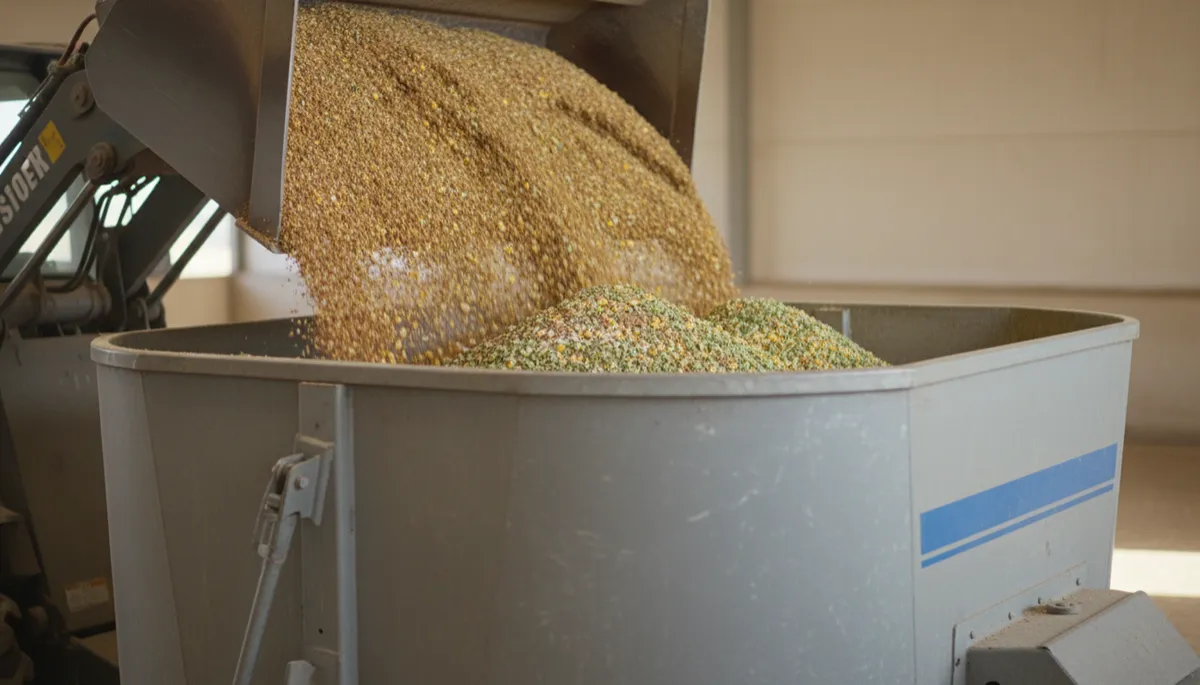
Blending screenings into a TMR helps capture energy while controlling variability.
What to Watch For When Buying Corn Screenings
When Does It Make Sense to Buy Corn Screenings?
Instead of treating screenings as an occasional bargain, it helps to think about when they strategically fit into your operation. Corn screenings often make the most sense to buy when:
Corn prices are high or volatile, and you need a way to hold ration costs in check without pulling energy out of the diet.
You are growing numbers or expanding, and your grain demand is outpacing what you can store or handle efficiently on‑farm.
You want flexibility, with the option to dial screenings up or down in the ration as markets change, rather than being locked into one grain source.
In these situations, screenings can act as a pressure‑relief valve for your feed budget—giving you room to protect performance while easing the cash flow hit of high‑priced corn.
Why Work With NTLS Feed & Grain for Corn Screenings?
Not all screenings—and not all suppliers—are created equal. Partnering with NTLS Feed & Grain means you are working with a team that understands the realities of sourcing quality feed and ensuring it gets delivered on time. Our role is to take the uncertainty and extra work out of using screenings so you can focus on cattle, not chasing feed.
📌 Key Takeaway: With NTLS Feed & Grain, you are not just buying a by‑product—you are gaining a partner that helps you turn screenings into predictable, usable energy in your ration.
Consistent, reliable product: We work directly with trusted sources so you are not guessing what will show up in the truck from one load to the next.
Operational fit: We look at your facilities, feeding style, and goals so screenings support your system instead of creating extra hassle.
How Partnering With NTLS Feed & Grain Saves You Time and Money
The value of screenings is not just in the price per ton—it is in how simply and efficiently you can get that feed from the source into your cattle. This is where NTLS Feed & Grain really changes the equation.
One call gets you everything you need: With NTLS, you are not calling around to multiple elevators, freight companies, or brokers. No middleman, no extra steps—one call gets you all.
We bring the product to you: We use a hauler who knows our routes, our customers, and how to handle screenings correctly. That means fewer delays, fewer surprises, and less time spent managing trucks instead of cattle.
Lower hidden costs: When you factor in your time on the phone, waiting on loads, or dealing with inconsistent product, “cheap” feed can get expensive fast. A direct relationship with NTLS helps protect your Feed Cost Savings by cutting those hidden costs out of the system.
💡 Pro Tip: Think of NTLS Feed & Grain as your screenings manager—handling sourcing, hauling, and logistics so you can concentrate on bunk management and cattle performance.
Over time, that simplicity adds up: fewer phone calls, fewer headaches, and a more predictable feed supply that supports better Energy Efficiency in the ration and stronger margins on every pound of gain.
Bringing It All Together: Cost Savings Without Sacrificing Energy
Used thoughtfully, corn screenings can be a powerful tool for cattle producers facing high grain prices. By understanding what corn screenings are and where they fit, you can capture meaningful Feed Cost Savings while still delivering the energy cattle need for growth, reproduction, and body condition. The key is to treat screenings like any other feed ingredient: know their role in your program, plug them into your Cattle Rations with intent, and watch cattle performance as you make changes.
“The right screenings, used at the right rate, can turn a by‑product into one of the most efficient energy sources in your yard.”
When you choose to work with NTLS Feed & Grain, you are not just buying corn screenings—you are choosing a simpler, more efficient way to manage your feed supply. Our direct sourcing, contracted hauler, and one‑call service model mean no middleman, no extra steps, and no wasted time. Partnering with a trusted supplier who understands helps ensure that screenings contribute to better Energy Efficiency in the ration and healthier margins for your operation. With a bit of planning and the right partner, corn screenings can move from an overlooked by‑product to a reliable part of a cost‑effective, high‑performing Livestock Nutrition program.
Frequently Asked Questions About Corn Screenings
Are corn screenings safe to feed to all classes of cattle?
Yes, corn screenings can be safely used in rations for cows, backgrounding cattle, and finishing cattle when they are tested, properly balanced, and introduced gradually. Higher‑value groups such as finishing cattle or replacement heifers may require lower inclusion rates and closer monitoring of gain and feed efficiency. Always consult your nutritionist before feeding screenings to high‑risk or stressed cattle.
Can corn screenings replace roughage in my ration?
It depends on the fiber level and particle size of the screenings. Loads that contain a lot of cob, husk, or stalk may contribute some effective fiber, but most screenings are still considered an energy ingredient rather than a true roughage source. In most cases you should not rely on screenings alone to meet cattle’s fiber needs; instead, use them to replace part of the grain while maintaining adequate hay, silage, or other long‑stem roughage in the diet.
How quickly can I transition cattle onto corn screenings?
A conservative approach is to phase screenings in over 7–14 days, especially for high‑energy or finishing rations. Start with a small inclusion level, watch manure consistency and intake, and gradually increase to your target rate as long as cattle remain healthy and on feed. Slower transitions are especially important when cattle are already on hot rations or when screenings are very fine and highly fermentable.
What quality issues should I watch for in corn screenings?
Key red flags include mold, musty or sour odors, visible trash, and excessive moisture or clumping. These can signal spoilage, mycotoxin risk, or handling problems that reduce feed value. Work with suppliers like NTLS Feed & Grain who prioritize consistent sourcing and encourage routine testing so you know what you are putting in the bunk.

Who We Serve
We work with operations of all sizes across the Upper Midwest and Western United States. If agricultural commodities are part of your business, we can be part of your supply chain.
Feed & Pet Food Mills & Manufacturers
Reliable ingredient supply to keep
your production running on schedule
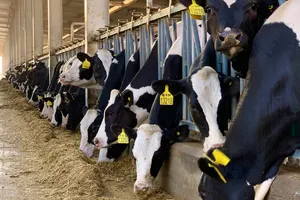
Dairy Operations
Dependable supply of feed ingredients to support milk production and herd performance
Farmers & Producers
Outlets for specialty crops, culls, and
co-products that need a reliable buyer
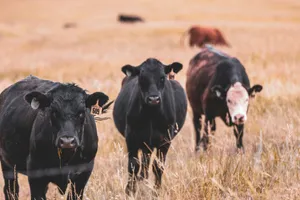
Cattle Feedlots & Stocker Operations
Consistent sourcing of energy and protein ingredients across the feeding cycle
Contact
Quick Links
© 2026 NTLS Feed & Grain. All Rights Reserved.